Understanding Grippe: More Than Just a Bad Cold
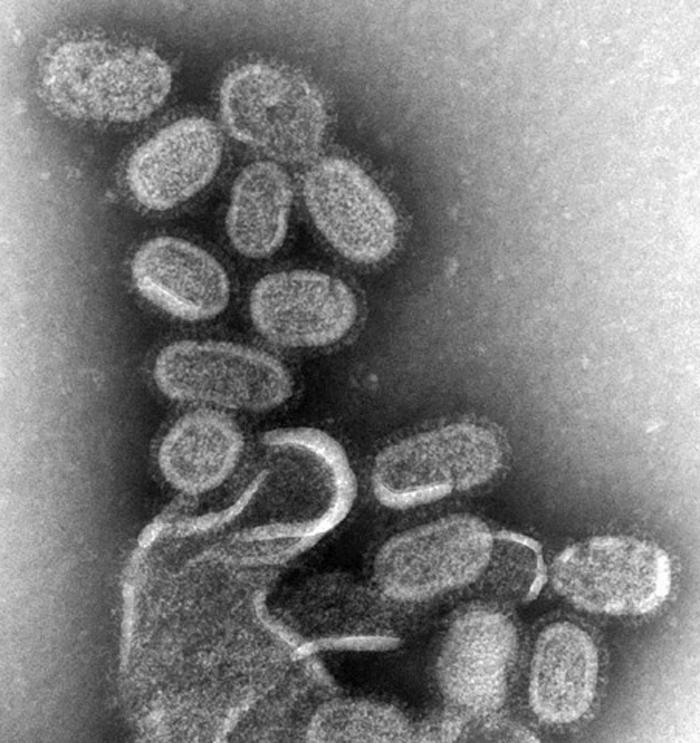
Often dismissed as just a common cold, Grippe, more widely known as influenza or the flu, is a formidable respiratory illness that demands our attention. Caused by highly contagious influenza viruses, grippe can range in severity from mild discomfort to life-threatening complications. It's an infection that targets the nose, throat, and sometimes the lungs, leading to a cascade of symptoms that can significantly disrupt daily life. Understanding the nuances of grippe is crucial, especially when you find yourself asking, "Why is my grippe nicht vorbei?" – why isn't this flu going away?
The culprits behind grippe are influenza viruses, primarily categorized into three types: A, B, and C. Influenza A and B viruses are the main drivers of the seasonal epidemics that sweep across communities nearly every year, bringing with them widespread illness. While Influenza C typically causes a milder respiratory illness and doesn't usually lead to widespread epidemics, it still contributes to the overall burden of viral infections.
Transmission of grippe is alarmingly efficient. The virus spreads mainly through tiny respiratory droplets expelled into the air when an infected person coughs, sneezes, or even talks. These droplets can travel up to six feet, settling on surfaces or being inhaled directly by others. You can also contract grippe by touching a surface or object contaminated with flu viruses and then touching your own mouth, nose, or eyes. This ease of transmission underscores the importance of stringent hygiene practices, particularly during flu season.
Recognizing Grippe: A Symptom Breakdown
The onset of grippe is often sudden and can hit you like a truck, distinguishing it from the gradual development of a common cold. While individual experiences can vary, several key symptoms are commonly associated with the flu:
- Fever or Feeling Feverish/Chills: A sudden rise in body temperature, accompanied by chills, is a hallmark of grippe. However, it's important to note that not everyone with the flu will necessarily develop a high fever.
- Cough and Sore Throat: A persistent, often dry, cough can be a primary complaint, accompanied by a scratchy or painful sore throat.
- Runny or Stuffy Nose: Nasal congestion and discharge are common, though often less prominent than with a typical cold.
- Muscle or Body Aches: Widespread pain and tenderness in the muscles and joints are a distinct and often debilitating symptom of grippe.
- Headaches: Intense headaches are frequently reported, contributing to the overall feeling of malaise.
- Fatigue: Profound tiredness and weakness can be overwhelming, making even simple tasks feel monumental. This fatigue can often linger even after other symptoms subside.
- Vomiting and Diarrhea: While less common in adults, some people, particularly children, may experience gastrointestinal symptoms like vomiting and diarrhea.
If you experience several of these symptoms, especially with a sudden onset, it's highly likely you're dealing with grippe. Differentiating it from a common cold is crucial, as the flu tends to be far more severe and carries a higher risk of complications.
When Grippe Lingers: Addressing "Grippe Nicht Vorbei"
It's incredibly frustrating when you're battling grippe and find yourself saying, "My grippe nicht vorbei!" – my flu isn't going away. While most healthy individuals recover from grippe within a week or two, some experience prolonged symptoms or develop complications that make the illness feel endless. Understanding why your grippe might be lingering is key to knowing when to seek further assistance.
There are several reasons why grippe symptoms might persist longer than expected or even seem to worsen:
- Post-Viral Fatigue: Even after the active viral infection has cleared, it's common to experience persistent fatigue, weakness, and a general feeling of being unwell for several weeks. Your body has fought a significant battle, and recovery takes time.
- Secondary Infections: The flu virus weakens your immune system, making you more susceptible to other infections. This is a common reason why grippe might feel like it's dragging on or getting worse.
- Bacterial Pneumonia: This is one of the most serious complications. If your fever returns after subsiding, or if you develop shortness of breath, a productive cough with colored mucus, or chest pain, seek immediate medical attention.
- Bronchitis: Inflammation of the bronchial tubes can lead to a persistent, hacking cough, often producing mucus.
- Sinus Infections (Sinusitis): Prolonged nasal congestion and facial pain could indicate a bacterial sinus infection.
- Ear Infections: Especially common in children, ear infections can occur as a secondary complication.
- Exacerbation of Chronic Conditions: For individuals with pre-existing chronic medical conditions (such as asthma, chronic obstructive pulmonary disease, heart disease, or diabetes), grippe can significantly worsen these conditions, leading to prolonged symptoms and a more difficult recovery.
- Misdiagnosis or Other Illnesses: While less common, sometimes what you initially thought was grippe could be another viral or bacterial illness with similar symptoms, or a different strain of flu than anticipated, leading to a different recovery timeline.
If your grippe symptoms are unusually severe, show signs of improvement and then worsen, or persist beyond two weeks, it's essential not to ignore these warning signs. Listen to your body and seek medical advice.
Your Shield Against Grippe: Prevention and Treatment
Preventing grippe is always preferable to treating it. A multi-faceted approach combining vaccination and good hygiene practices forms the strongest defense against this widespread illness.
The most effective way to prevent grippe is through annual flu vaccination. The flu shot works by introducing your body to inactivated virus particles or components, prompting your immune system to develop protective antibodies. These antibodies then help fight off actual flu viruses if you are exposed. While not 100% effective (as flu strains can mutate), the vaccine significantly reduces your risk of getting the flu, and if you do get sick, it often leads to a milder illness and lowers your risk of severe complications. For a deeper dive into preventive measures, you can find more information in related articles such as Fighting Grippe: Essential Prevention Strategies for Flu Season.
Beyond vaccination, crucial hygiene practices include:
- Frequent Hand Washing: Wash your hands thoroughly and often with soap and water for at least 20 seconds, especially after coughing, sneezing, or touching shared surfaces. If soap and water aren't available, use an alcohol-based hand sanitizer.
- Cover Your Coughs and Sneezes: Always cover your mouth and nose with a tissue when you cough or sneeze, then dispose of the tissue immediately. If no tissue is available, cough or sneeze into your elbow, not your hands.
- Avoid Touching Your Face: Try to avoid touching your eyes, nose, and mouth, as this is a common way for viruses to enter your body.
- Limit Close Contact: When possible, avoid close contact with individuals who are sick, and if you are sick, stay home from work or school to prevent spreading the virus to others.
When grippe does strike, treatment focuses on managing symptoms and, in some cases, utilizing antiviral medications. For comprehensive guidance on managing the illness, refer to Grippe Treatment & Recovery: What to Do When Flu Strikes.
- Antiviral Drugs: Prescription antiviral medications (such as oseltamivir, zanamivir, peramivir, or baloxavir marboxil) can lessen flu symptoms and shorten the duration of illness. They work best when started within two days of symptom onset. These are particularly recommended for high-risk individuals or those with severe illness.
- Symptomatic Treatment:
- Rest: Allow your body to recover. This is not the time to push yourself.
- Hydration: Drink plenty of fluids like water, broth, and electrolyte solutions to prevent dehydration, especially if you have a fever.
- Over-the-Counter Medications: Pain relievers and fever reducers like acetaminophen (Tylenol) or ibuprofen (Advil, Motrin) can help manage muscle aches and fever. Decongestants and cough suppressants can alleviate other symptoms, but always use them according to package directions.
- No Antibiotics: It's crucial to remember that grippe is caused by a virus, not bacteria. Therefore, antibiotics are ineffective against the flu itself and should not be used unless a secondary bacterial infection has been diagnosed.
Knowing When to Act: Seeking Medical Attention
While most cases of grippe resolve with home care, there are specific situations where medical attention is vital, especially if you are concerned that your "grippe nicht vorbei" or if you belong to a high-risk group. Seek immediate medical help if you experience any of the following:
- Difficulty breathing or shortness of breath
- Persistent pain or pressure in the chest or abdomen
- Sudden dizziness or confusion
- Severe or persistent vomiting
- Flu-like symptoms that improve but then return with fever and worse cough
- Seizures
- Worsening of chronic medical conditions
- Lack of interaction or listlessness in infants
- Blueish discoloration of the lips or face
High-risk groups who should be particularly vigilant include young children, adults 65 years and older, pregnant women, and individuals with chronic medical conditions or weakened immune systems. For these groups, complications can be more severe and rapid.
Conclusion
Grippe, or influenza, is far more than just a common cold; it's a serious respiratory illness that can lead to significant discomfort and potentially dangerous complications. Understanding its causes, recognizing its distinct symptoms, and being prepared with effective prevention and treatment strategies are paramount for safeguarding your health and the health of your community. While the frustrating experience of "grippe nicht vorbei" can be disheartening, knowing the signs of lingering illness or secondary infections can empower you to seek timely medical care when needed. By embracing annual vaccination and practicing good hygiene, we can collectively reduce the impact of grippe and protect ourselves during flu season and beyond.