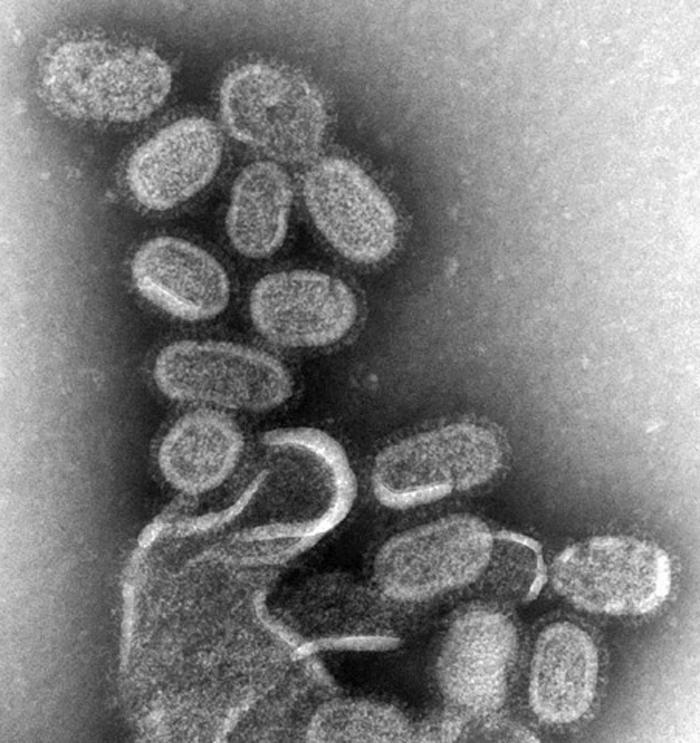
Grippe Treatment & Recovery: What to Do When Flu Strikes
When the flu, or grippe as it's known in some parts of the world, strikes, it can bring your daily life to a grinding halt. More than just a bad cold, grippe is a highly contagious respiratory illness caused by influenza viruses, impacting the nose, throat, and sometimes the lungs. Its symptoms often appear suddenly and intensely, leading to days of discomfort and forcing you to retreat to bed. While most individuals recover within a week or two, understanding how to effectively treat the illness and nurture your body back to health is paramount. Even more crucial is knowing what to do when your symptoms persist, and you find yourself wondering, "grippe nicht vorbei?" — why isn't this flu over yet?
Understanding Grippe: The Initial Onslaught
Grippe, caused primarily by influenza A and B viruses, sweeps through populations annually, often in seasonal epidemics. Unlike the common cold, which tends to develop gradually with milder symptoms, the flu hits hard and fast. You might wake up feeling perfectly fine, only to be overwhelmed by a sudden onset of symptoms hours later.
Key indicators that you've been struck by grippe include:
- Fever or chills: Often high, making you feel alternately hot and cold.
- A persistent cough and sore throat: These can be dry and irritating or produce mucus.
- Runny or stuffy nose: Congestion can make breathing difficult.
- Muscle or body aches: Widespread and can be quite severe, making movement painful.
- Headaches: Ranging from dull to throbbing.
- Profound fatigue: An overwhelming tiredness that makes even simple tasks seem impossible.
- Some people, particularly children, may also experience vomiting and diarrhea.
This array of symptoms is your body's immune system fighting off the viral invaders. While uncomfortable, these responses are a sign that your body is working to clear the infection. The flu virus spreads through tiny droplets when an infected person coughs, sneezes, or talks, making good hygiene and distance from sick individuals vital preventive measures. To delve deeper into understanding this illness and how to shield yourself, consider reading Grippe Explained: Your Guide to Flu Symptoms & Prevention.
Immediate Grippe Treatment: Managing the Acute Phase
Once grippe has taken hold, the focus shifts to managing symptoms, supporting your body's natural defenses, and preventing complications. There are two main avenues for treatment:
Symptomatic Relief at Home
For most healthy individuals, home care is the cornerstone of grippe treatment. These strategies aim to alleviate discomfort and allow your body to rest and recover:
- Rest is non-negotiable: Your body needs all its energy to fight the virus. Take time off work or school, avoid strenuous activities, and prioritize sleep.
- Stay hydrated: Fever and increased respiratory effort can lead to dehydration. Drink plenty of fluids like water, clear broths, fruit juices, and herbal teas. Avoid sugary drinks, alcohol, and caffeine, which can further dehydrate you.
- Over-the-counter (OTC) medications:
- Pain relievers and fever reducers: Acetaminophen (Tylenol) or ibuprofen (Advil, Motrin) can help manage fever, headaches, and muscle aches.
- Cough suppressants or expectorants: Can relieve a persistent cough, but always check labels for age appropriateness and potential interactions.
- Decongestants: Oral or nasal sprays can help with a stuffy nose, but use nasal sprays cautiously to avoid rebound congestion.
- Sore throat relief: Lozenges, throat sprays, or gargling with warm salt water can provide temporary relief.
Always consult a pharmacist or doctor, especially if you have underlying health conditions or are administering medication to children. Aspirin should be avoided in children and teenagers due to the risk of Reye's syndrome.
- Humidify your environment: A cool-mist humidifier can help soothe a sore throat and cough and ease nasal congestion.
The Role of Antiviral Medications
In certain cases, a doctor might prescribe antiviral drugs. These are different from antibiotics, which are ineffective against viruses. Antivirals work by stopping the flu virus from replicating in your body. They are most effective when started within 48 hours of symptom onset and can:
- Lessen the severity of your illness.
- Shorten the duration of symptoms by about one day.
- Reduce the risk of serious complications, especially for high-risk individuals.
Antivirals are typically recommended for people at higher risk of developing flu complications, such as young children, adults 65 and older, pregnant women, and individuals with chronic medical conditions like asthma, diabetes, or heart disease. If you fall into one of these categories and suspect you have the flu, contact your doctor promptly to discuss whether antivirals are appropriate for you.
When Recovery Stalls: Addressing "Grippe Nicht Vorbei"
For many, flu symptoms begin to subside within 3 to 7 days, with a gradual return to normal energy levels. However, it's not uncommon for a lingering cough and fatigue to persist for up to two weeks, or even longer. But what if your grippe doesn't seem to be getting better? What if symptoms worsen, or new ones appear after an initial period of improvement? This is the critical juncture where you might find yourself asking, "grippe nicht vorbei?" – a sign that it's time to pay closer attention.
Typical Flu Recovery Timeline vs. Warning Signs
While the acute phase typically lasts less than a week, a cough can linger for weeks, and post-viral fatigue is very real. However, if your symptoms:
- Worsen significantly after initially getting better.
- Don't show any signs of improvement after 7-10 days.
- Include a high or recurring fever after it had subsided.
- Present with difficulty breathing or shortness of breath.
- Develop into chest pain or pressure.
- Lead to sudden dizziness or confusion.
- Cause severe or persistent vomiting.
- Manifest as seizures.
- Result in worsening of chronic medical conditions.
These could be indicators of complications, such as bacterial pneumonia, bronchitis, sinus infections, or ear infections. These secondary infections require different treatments, often antibiotics, which are effective against bacteria but not viruses. Listen to your body and recognize when something feels amiss.
When to Seek Medical Attention
If you or someone you're caring for experiences any of the warning signs listed above, or if you are in a high-risk group and your symptoms are severe, do not hesitate to seek medical attention. A healthcare professional can accurately diagnose whether your prolonged illness is due to lingering viral effects, a secondary bacterial infection, or another issue entirely. Early diagnosis and treatment of complications are crucial to prevent more severe outcomes.
Nurturing Your Recovery: Beyond Symptom Management
Even after the worst of the flu has passed, your body needs continued care to fully recuperate. Recovery isn't just about the absence of symptoms; it's about rebuilding strength and resilience.
Post-Flu Fatigue and Gradual Return
One of the most underestimated aspects of grippe recovery is the profound fatigue that can linger for weeks. This post-viral fatigue is real, and pushing yourself too hard, too soon, can prolong your recovery or even lead to a relapse. Be patient with yourself:
- Gradual return to activity: Don't jump back into your full routine or strenuous exercise immediately. Gradually increase your activity level as your energy returns.
- Prioritize sleep: Continue to get ample rest, even if you're no longer confined to bed. Naps can be helpful.
- Listen to your body: If you feel tired, rest. It's your body's way of telling you it still needs to heal.
Nutrition and Lifestyle for Healing
Your diet plays a vital role in recovery. Focus on nutrient-dense foods to support your immune system:
- Eat a balanced diet: Include plenty of fruits, vegetables, lean proteins, and whole grains.
- Consider immune-boosting nutrients: While not a cure, adequate intake of vitamins C and D, zinc, and selenium can support overall immune function.
- Avoid unhealthy habits: Refrain from alcohol and smoking, as these can further tax your respiratory system and immune response.
- Maintain good hygiene: Continue regular hand washing and covering coughs and sneezes to prevent spreading any lingering virus or picking up new infections. This is also key in Fighting Grippe: Essential Prevention Strategies for Flu Season.
Conclusion
Grippe is a formidable opponent, but with the right approach to treatment and recovery, most people navigate it successfully. Understanding its symptoms, proactively managing them with rest and hydration, and knowing when to seek professional medical advice are your best defenses. Always pay close attention to your body's signals, especially if you find yourself questioning, "grippe nicht vorbei?" Your vigilance can make all the difference in preventing complications and ensuring a complete return to health. Remember, prevention through annual vaccination and good hygiene remains the most effective strategy against this pervasive respiratory illness.